
AREF x outcomes based zoning
LOCATION: Calgary, AB, Canada
YEAR: 2026
STATUS: Complete
FUNDED BY: Alberta Real Estate Foundation (AREF) with BEA Calgary, study in collaboration with XYC Design
Funded by the Alberta Real Estate Foundation, this applied research project asks how zoning can deliver housing that communities accept while giving Council, City Administration, and the real estate industry approvals they can predict and defend. Calgary needs on the order of 200,000 new homes to keep pace as it grows toward two million residents—but the bottleneck isn't zoning capacity. It's the reliability of the approvals that turn that capacity into housing.
Our starting point is a diagnosis: R-CG didn't fail on density, height, or unit count. It failed because neighbourhood facing quality was never governed. When compliant-but-poor projects got built, public trust eroded, appeals multiplied, and pressure to repeal followed—reintroducing exactly the delay, cost, and uncertainty the zoning was meant to remove. That makes this a problem of policy design, not communication.


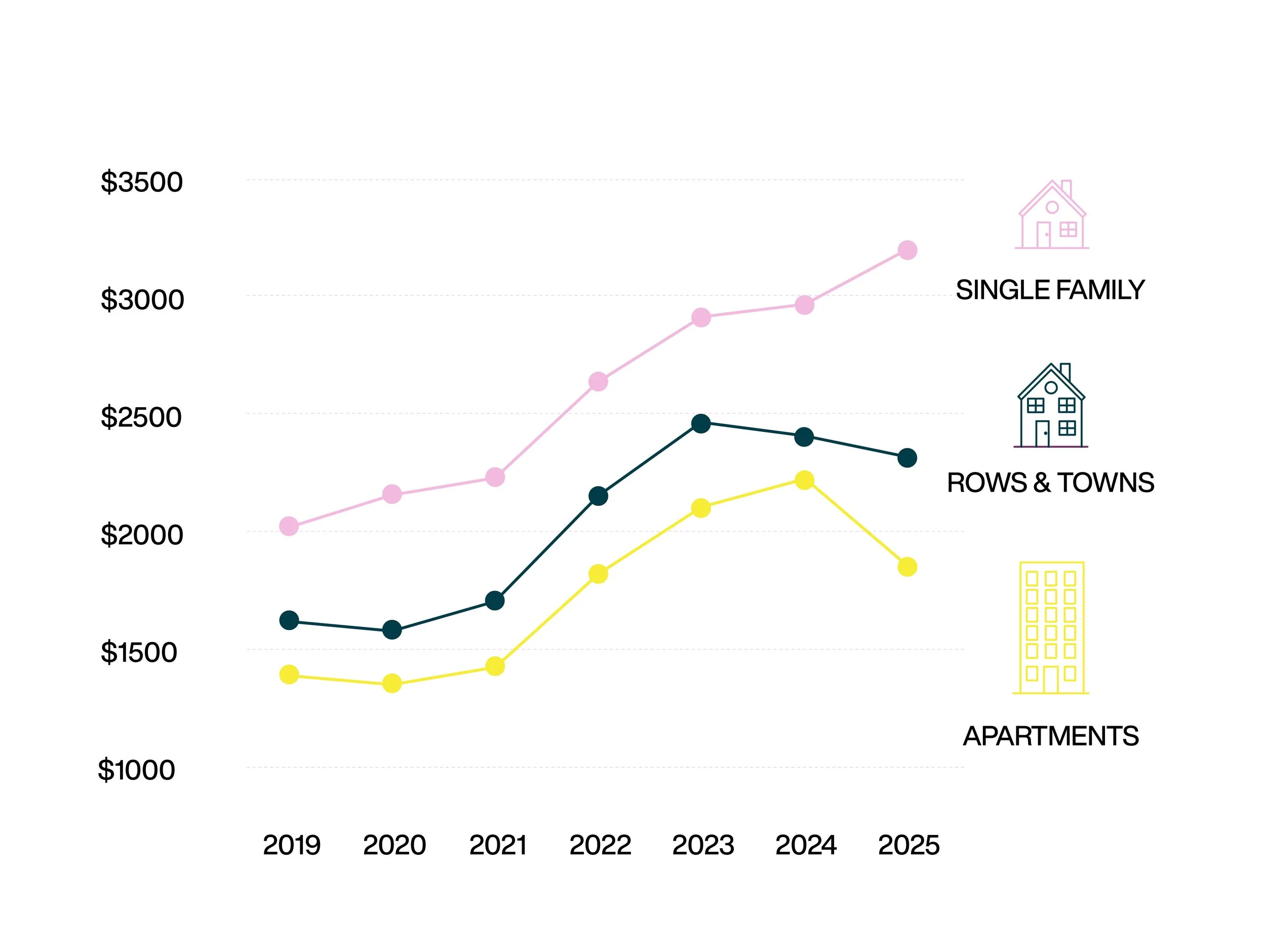
CALGARY RENTS
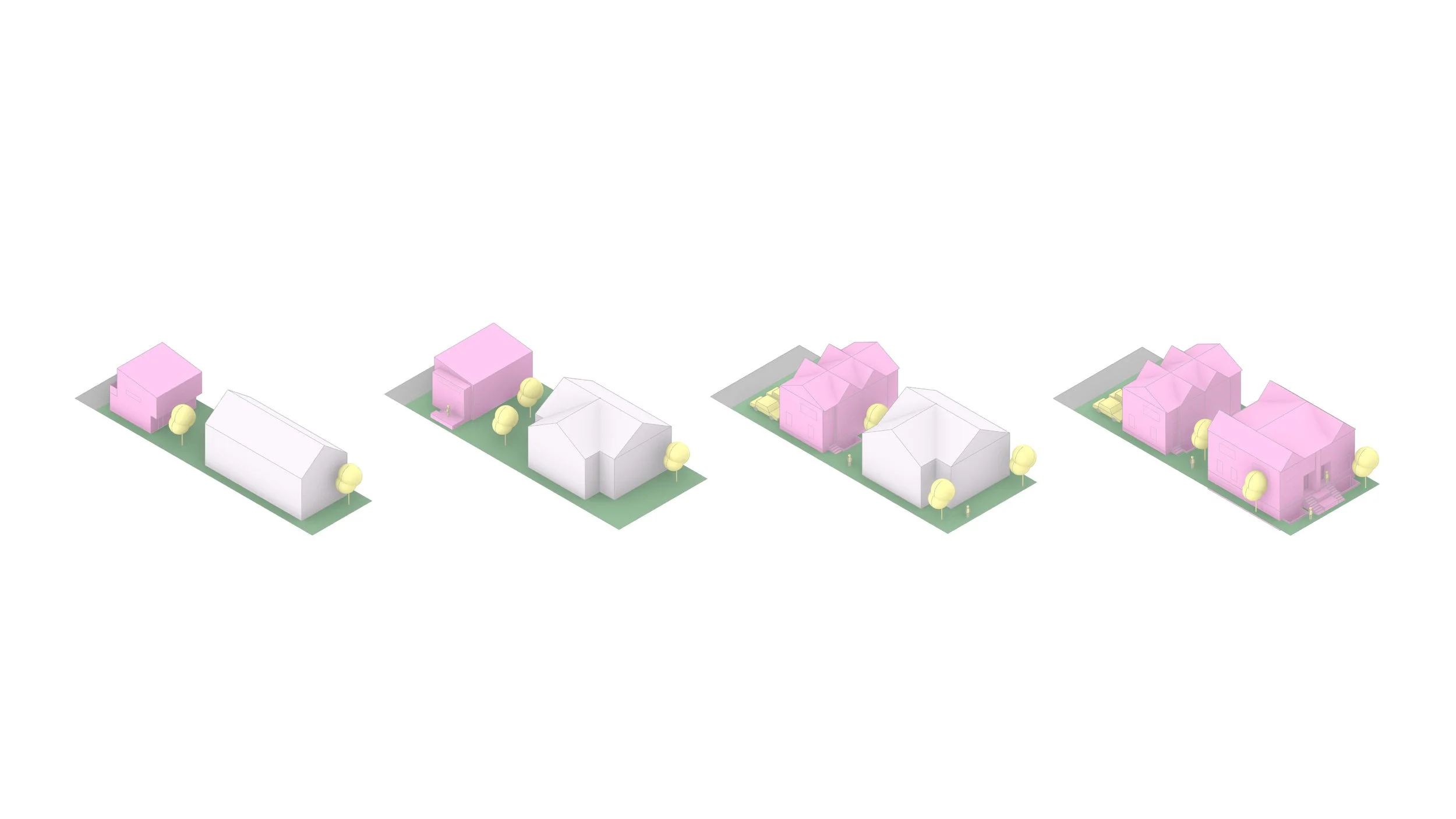
The proposal we delivered to Council refines R-CG rather than repealing it, through three moves. The first is a clearer baseline: R-CG kept as the base district—close to the prior R-C2—with four units on a typical lot, secondary suites removed as a defined use, and every residential form treated equally so nothing is prohibited; height, massing, and 1:1 parking unchanged. It can be adopted now, without risking federal funding or a second hearing. The second is a pathway to permitted use: projects that meet clear outcomes-based and contextual criteria at the pre-application stage are recategorized as permitted use and fast-tracked, while only complex or non-compliant proposals proceed to discretionary review, including single-family homes. The third is a density gradient: higher density and lower parking granted as-of-right in proportion to transit, nodes, and corridors, aligned with Local Area Plans or established main streets.
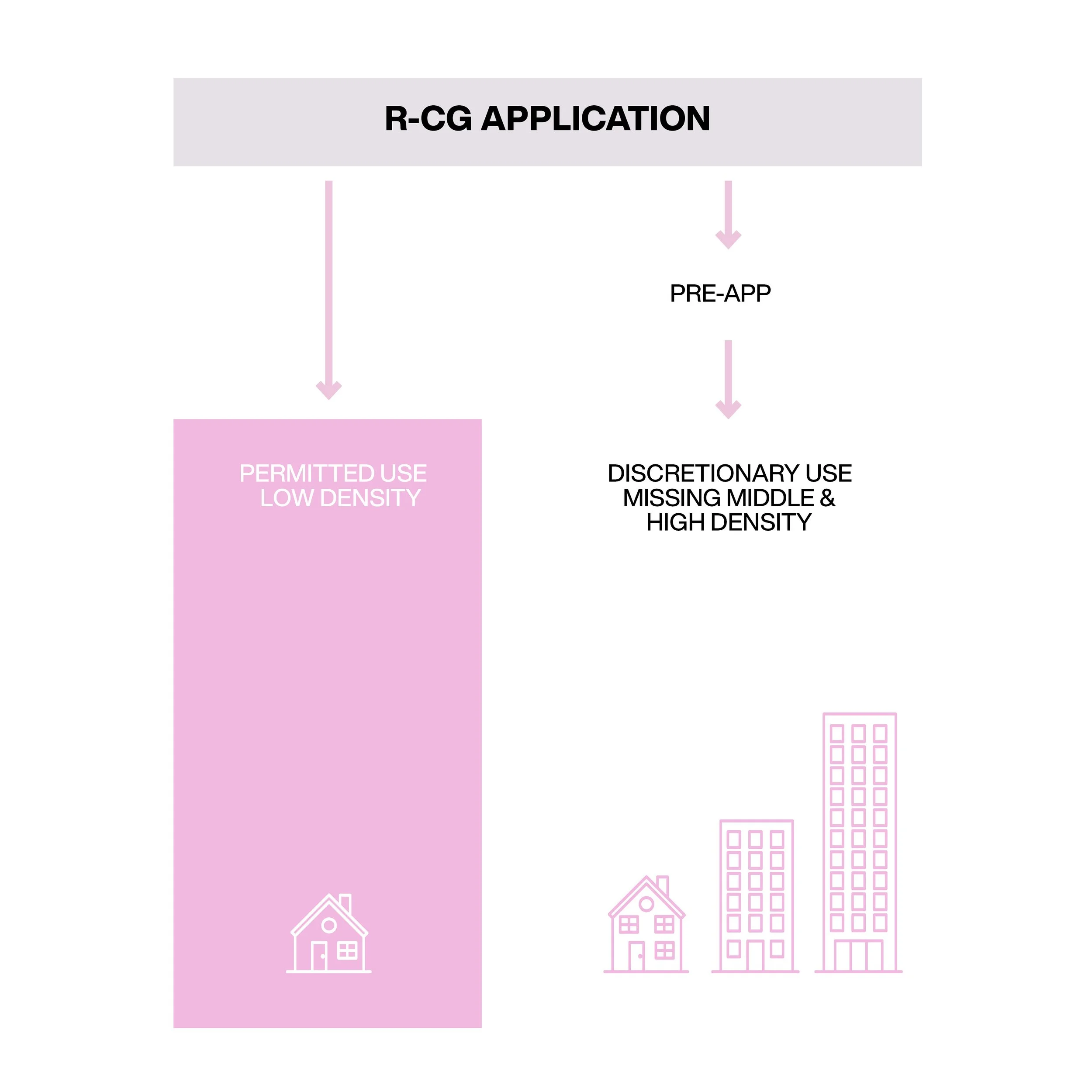
CURRENT FRAMEWORK
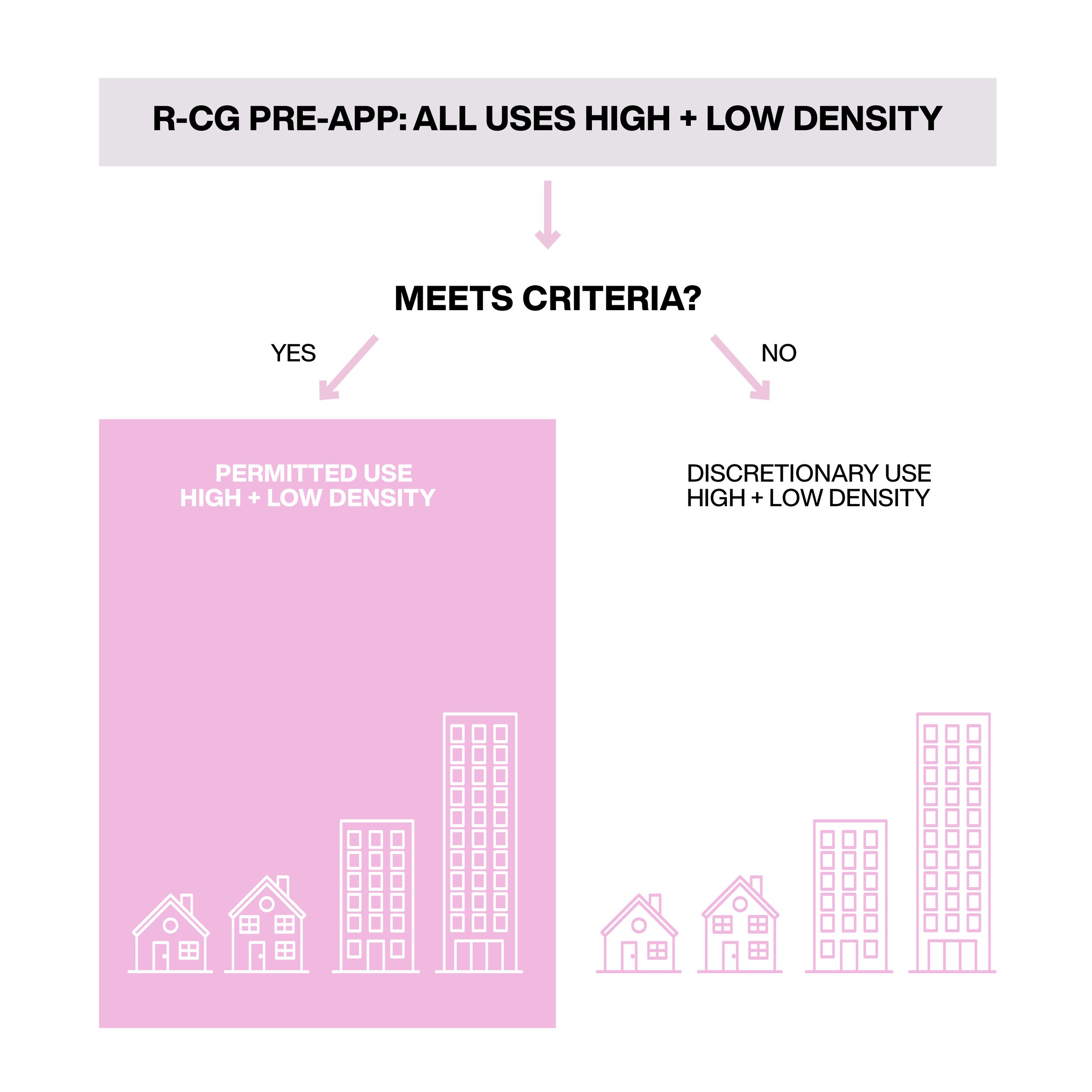
PROPOSED FRAMEWORK

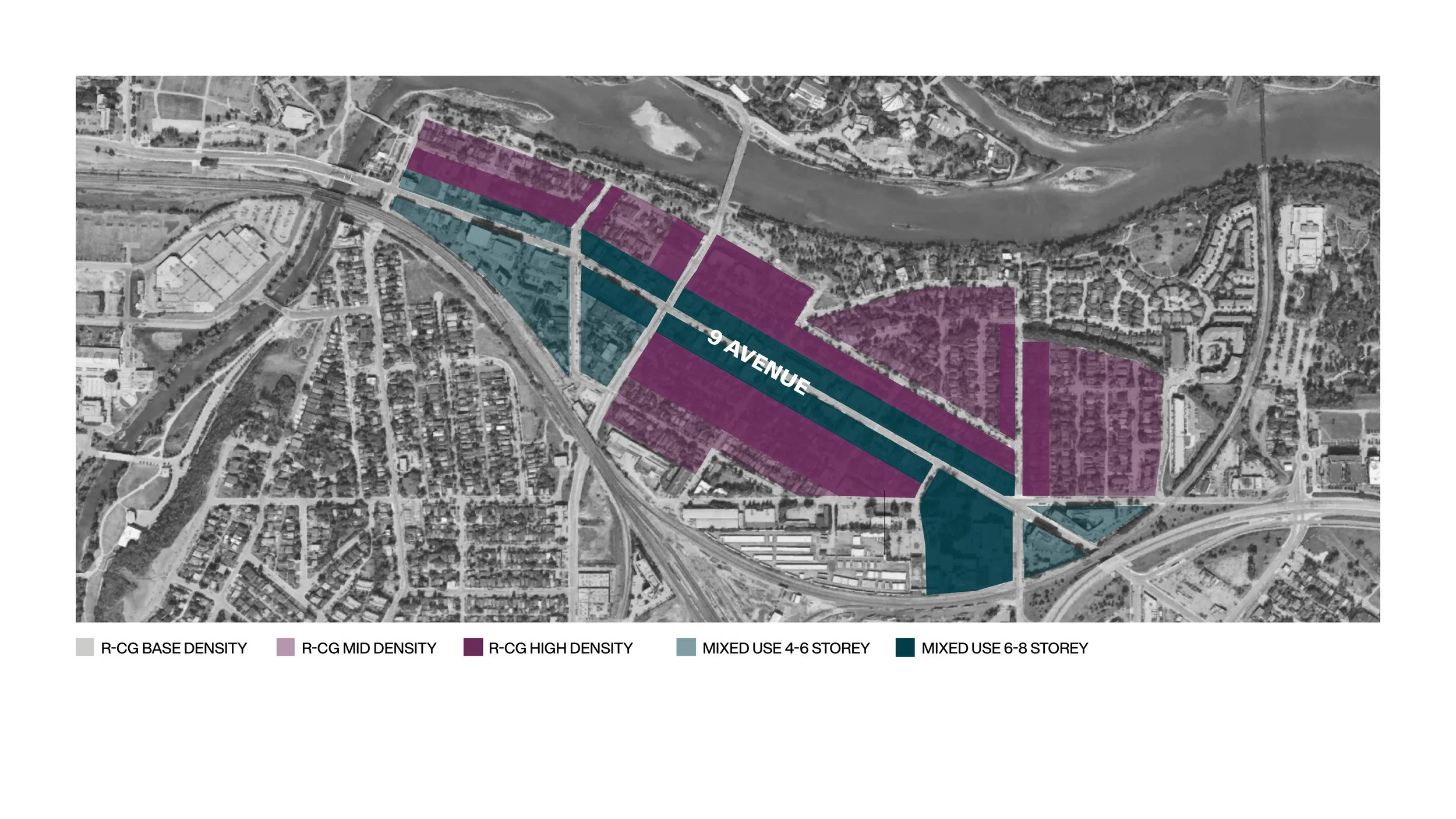
PROPOSED R-CG DENSITY GRADIENT
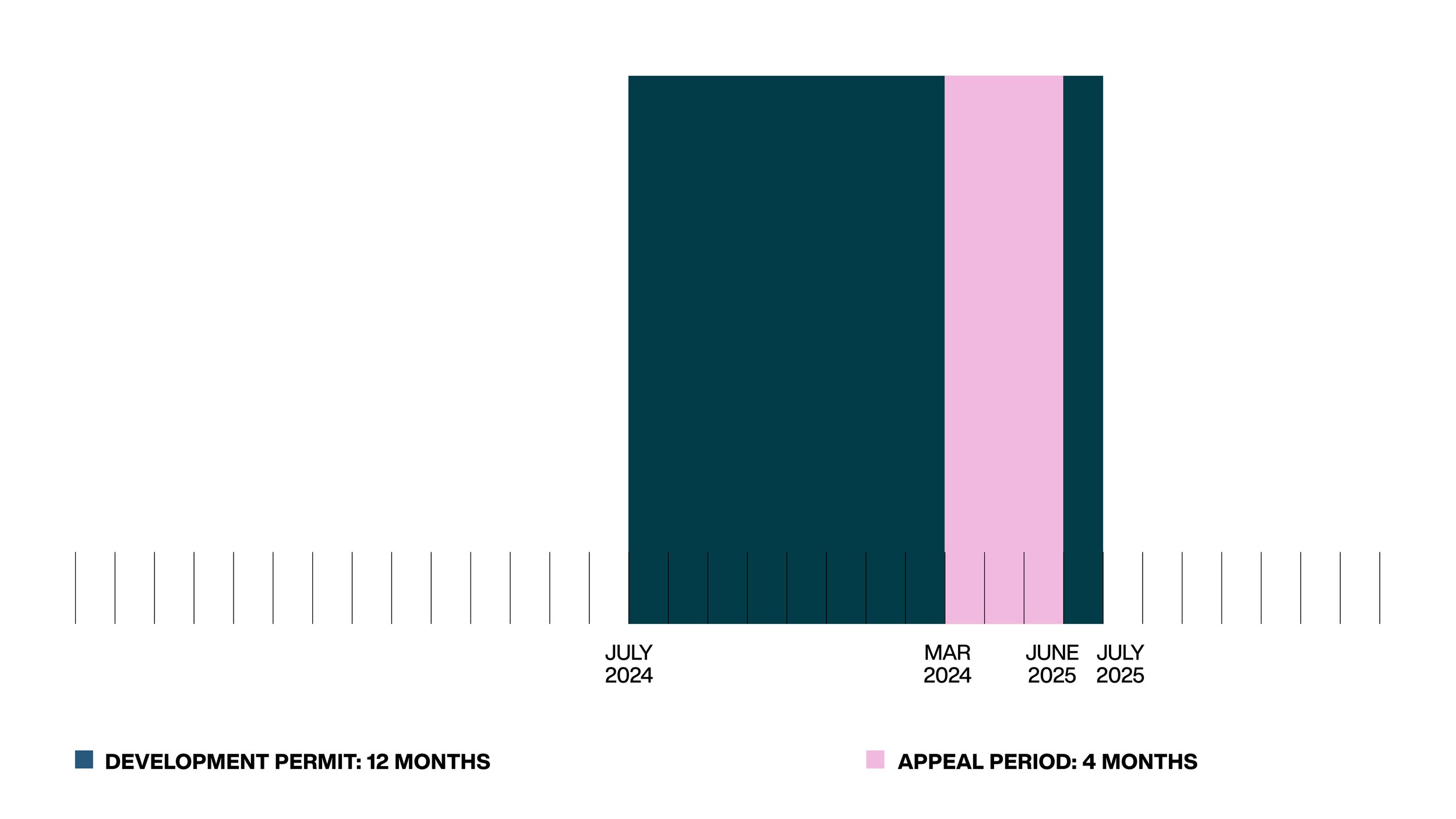
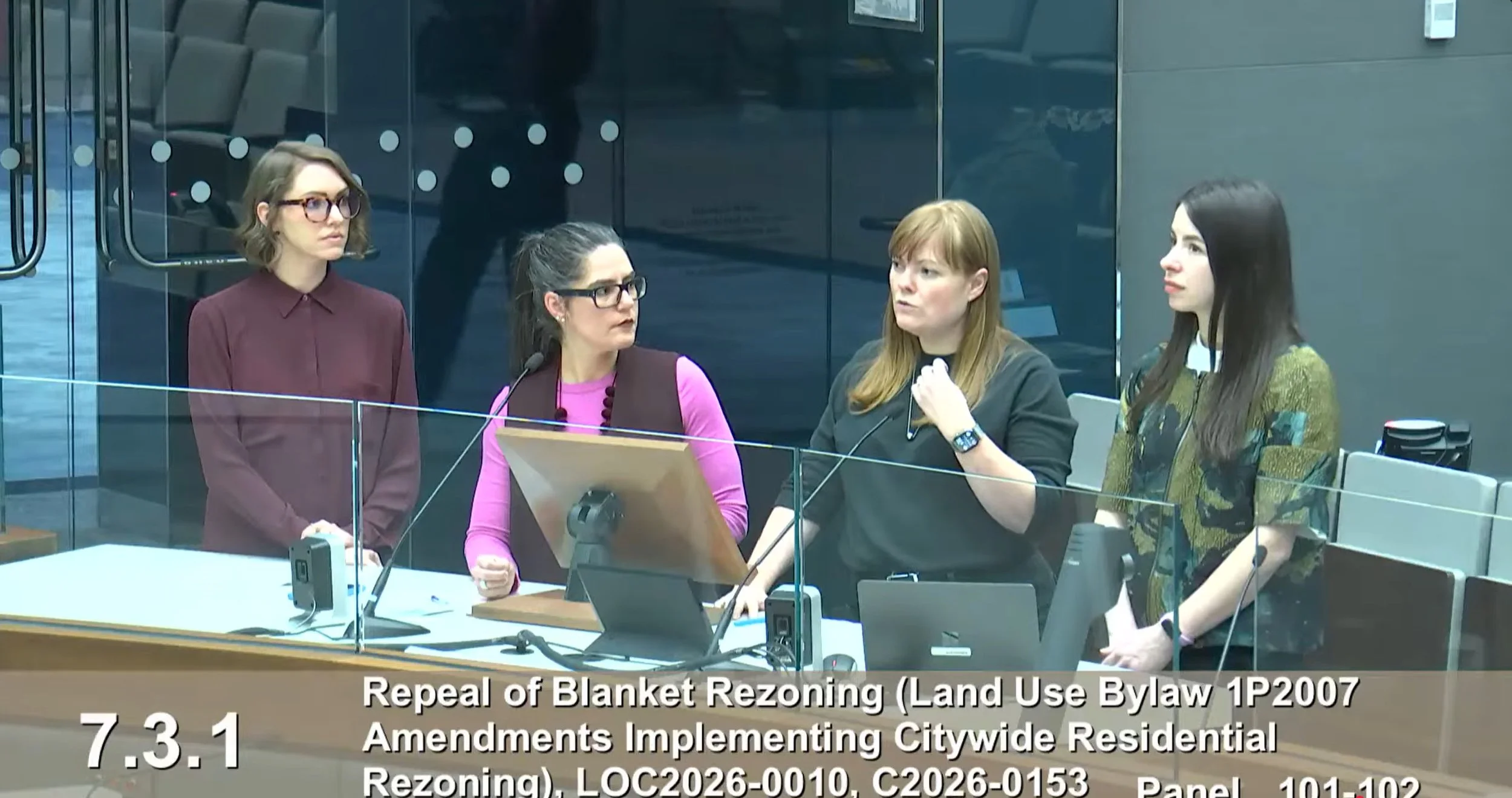
At the centre of the framework is a set of measurable, outcomes-based criteria—neighbourhood fit, massing and scale, light, shadow, and overlook—that let a project's response to its context be evaluated up front rather than negotiated, with accountability carried by the design professionals responsible for it. We proved the approach on New Monica, our 16-unit Inglewood infill: rather than building to the maximum the land use allowed, we matched our height to the single-family home across the street (against a permitted 12 m), designed to an FAR of 1 instead of 1.5, widened setbacks from 1.2 m to between 3.0 m and 7.0 m, ran a shadow study, and placed windows to avoid overlooking neighbours—recombining the street's own rooflines, porches, and materials into something familiar but new using our (or similar to) Architecture Soup design tool. Delivered on Calgary's March 2026 hearing on the repeal of blanket upzoning and built on approval structures shared across Alberta under the Municipal Government Act, the framework is designed to be adapted in Calgary and hopefully beyond. This proposal was made possible by the Alberta Real Estate Foundation.
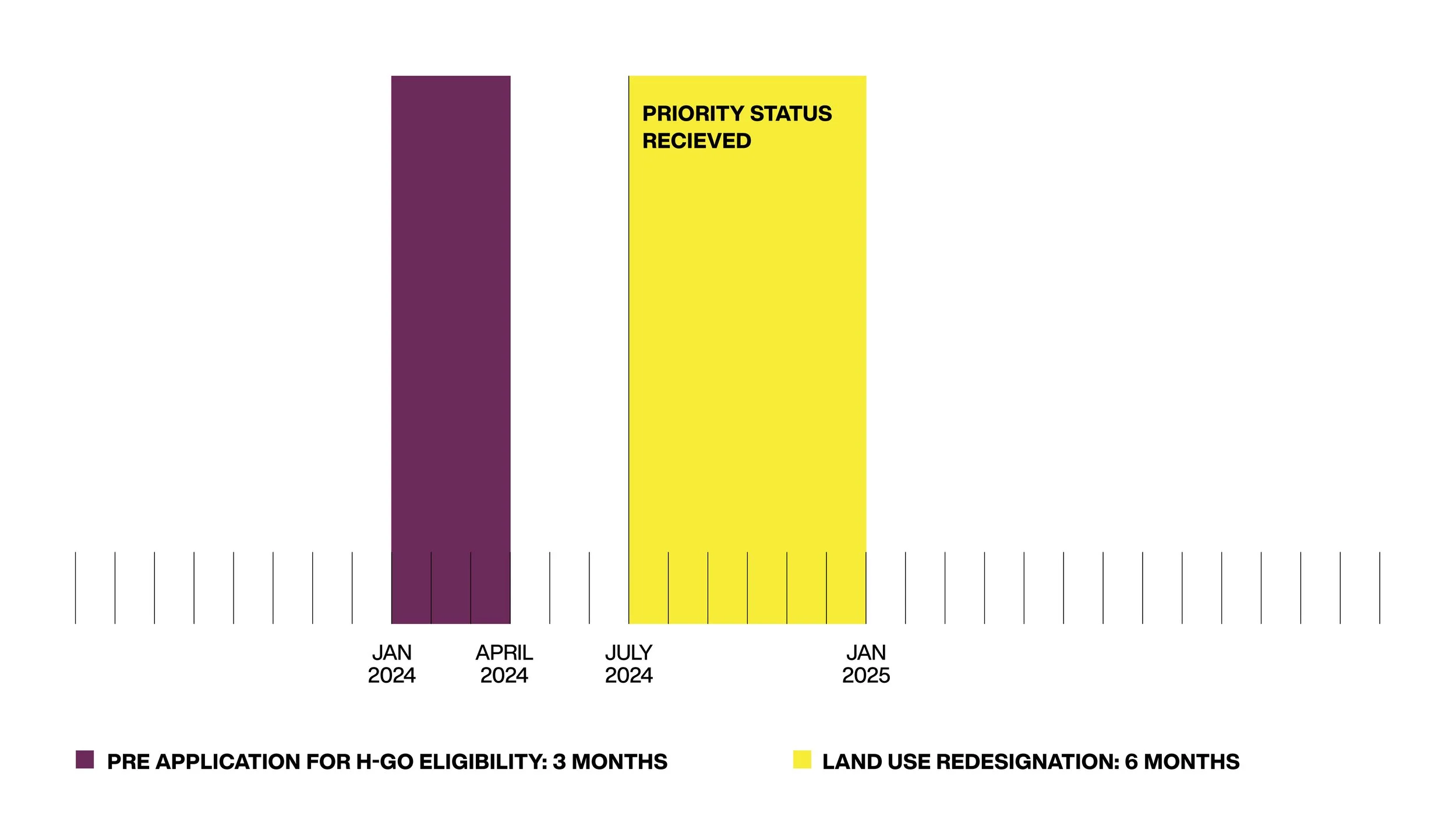
NEW MONICA APPROVAL AND APPEAL TIMELINE

ALL HOUSING COMMERCIAL STUDIES